Aristolochia baetica: A climbing plant from Portugal with brownish-purple to red tube-shaped flowers.
Canarina canariensis: A small plant with bell-shaped flowers that grows in the cool forests of the Canary Islands.
Isoplexis canariensis: A plant from the Canary Islands with orange flowers that resemble foxgloves.
Dracaena draco: The tree’s sap turns red when exposed to oxygen, giving the impression that the tree is “bleeding.”
Capparis spinosa: A small container plant that can bloom in its first year.
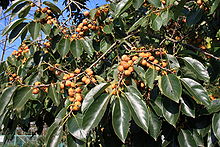
Diospyros lotus: A tree grown in Central Asia, one of the oldest known cultivated plants.
:
Cuscuta lupuliformis: A parasitic plant from Eastern Europe that produces red stems.
Dracunculus vulgaris: A striking purple flower that can reach 80 cm.
Olea europaea: Olives are mainly grown in Mediterranean climates.
Mandragora officinarum: Mandrake root has a rich history in magic and medicine.
Nerium oleander: A famous Mediterranean shrub with white and pink flowers.
Echium fastuosum: A plant that begins to bloom in its second year, producing blue flower clusters up to 45 cm long.
Vaccinium myrtillus: A perennial flowering plant that grows in mountainous areas of Southern Europe.
Sambucus nigra: A small tree or deciduous shrub that can reach a height of 8-14 feet.
Urtica dioica: Perennial herb with a long yellow rhizome.
Carum carvi: A plant with a spicy aroma, all parts of which are edible.
Centaurium erythraea: Annual or biennial plant with pink, star-shaped flowers.
Rosa canina: Rose hips are the accessory fruits of the rose that grows in Northern Europe.
Lavandula angustifolia: Known for its fragrance, lavender is widely used in perfumery and medicine.
© All Rights Reserved. 2025